


The $9.5 Billion Question: Why Caribbean Recovery Stops While Military Drills Continue
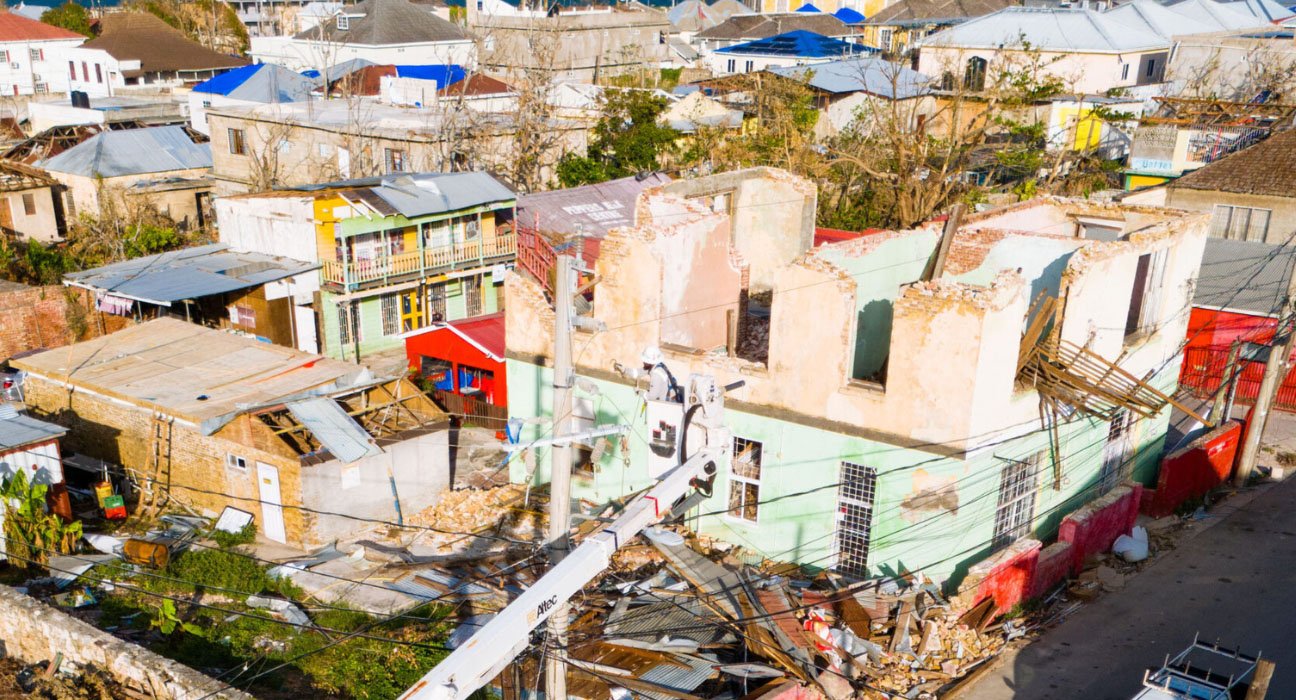
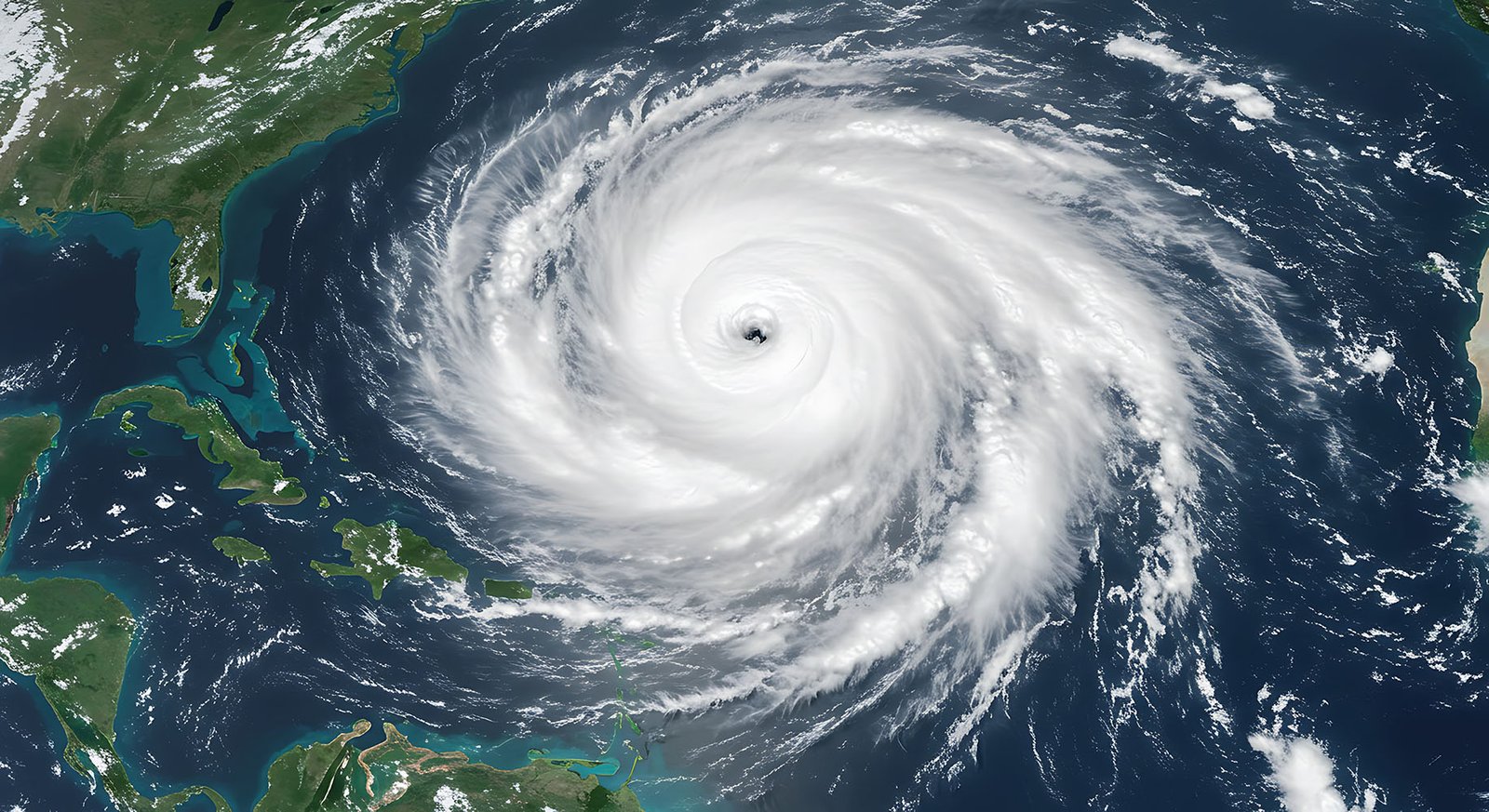
Three weeks after Hurricane Melissa, Jamaica finally got the bill.
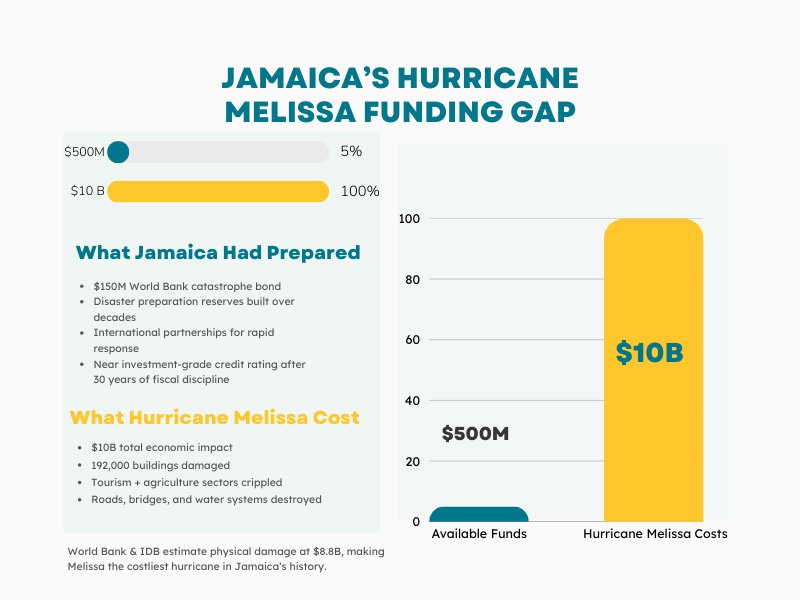
$10 billion. That’s what it will cost to rebuild. The island nation had spent thirty years building a climate disaster fund, careful planning, international partnerships, catastrophe bonds, the whole resilient infrastructure playbook.
They managed to save $500 million.
Which means they’re $9.5 billion short.
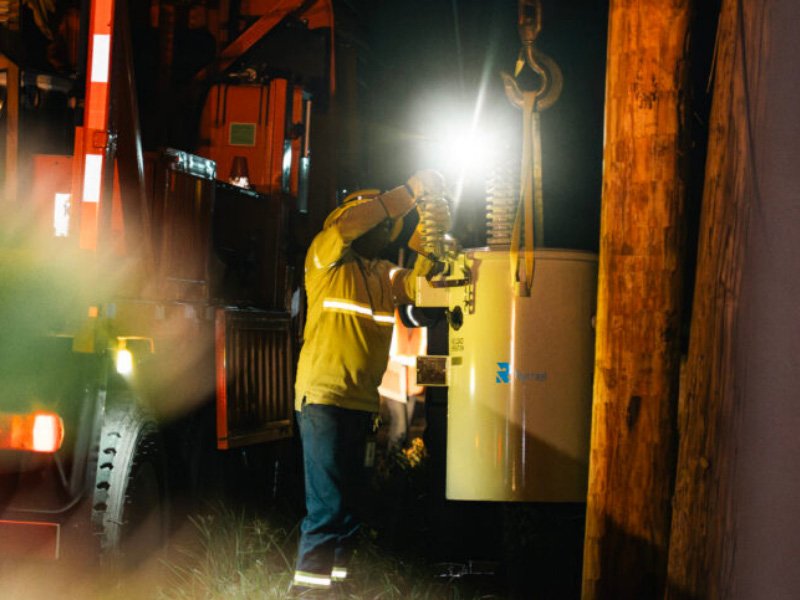
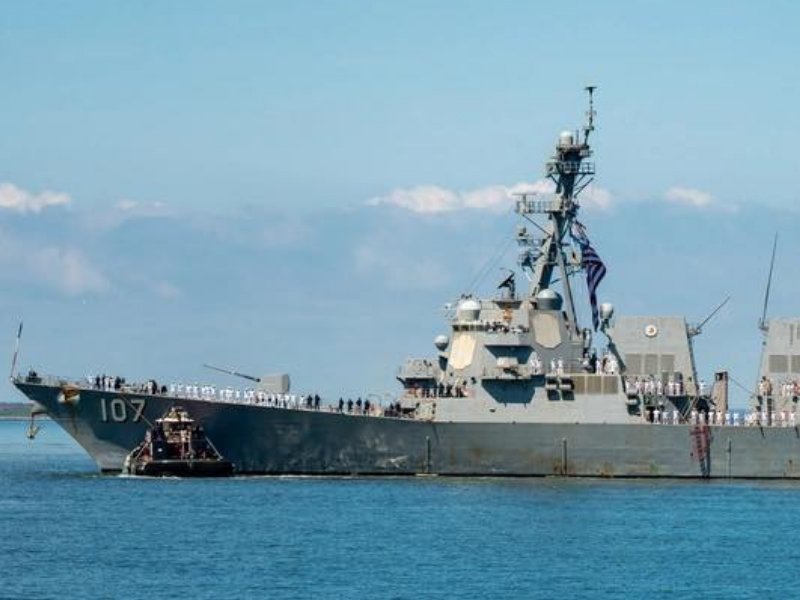
Meanwhile, 7 miles off Venezuela’s coast, US Marines just landed in Trinidad for “training exercises” that nobody in Trinidad’s own military knew about until they saw it on the news. The USS Gerald R. Ford the world’s largest aircraft carrier is circling. Venezuela just mobilized 200,000 troops in response. And Caribbean power companies are begging customers not to panic about unpaid bills while 30% of Jamaica still sits in darkness.
This is the story nobody’s telling about Hurricane Melissa. Not the wind speeds or the heroic rescues. The aftermath. The part where the Caribbean has to choose between rebuilding homes and preparing for the next geopolitical crisis, because apparently, we’re supposed to handle both at once.
Spoiler alert: We can’t.
Let’s talk about what happens when disaster recovery meets military brinksmanship, and why the Caribbean is being forced to play a game it never signed up for.
The Math That Doesn’t Add Up: Jamaica’s Impossible Equation
When Cabinet Minister Matthew Samuda stood at the COP30 climate summit in Belem, Brazil last week, he didn’t come begging. He came with receipts.
“We don’t come as mendicants,” he said. “We come as victims of the actions of others.”
Here’s what Jamaica prepared for:
- ✅ $150 million from World Bank catastrophe bond
- ✅ Disaster preparation reserves built over decades
- ✅ International partnerships for rapid response
- ✅ Nearly investment-grade credit rating after 30 years of fiscal discipline
Here’s what Hurricane Melissa cost:
- ❌ $10 billion in total bills
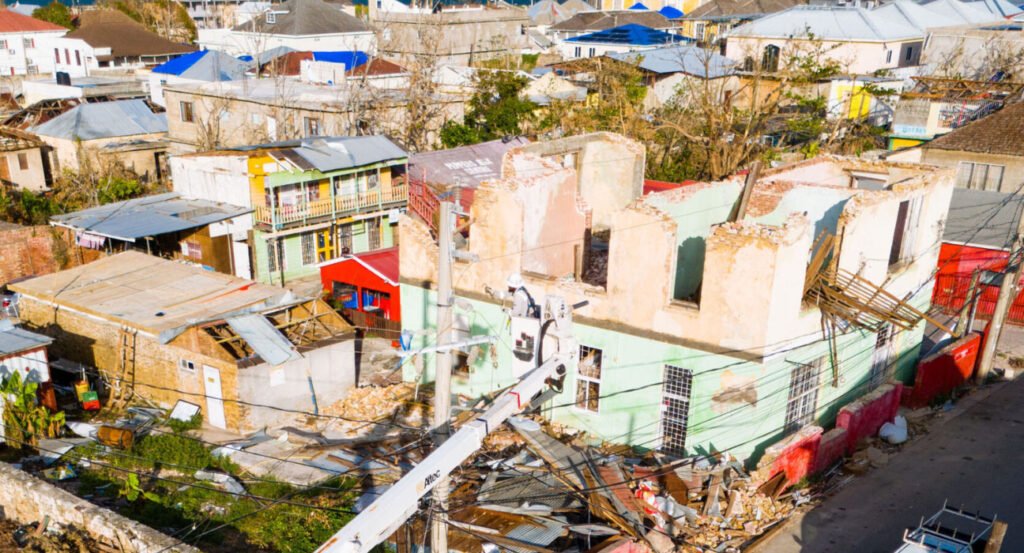
- ❌ 192,000 buildings damaged (equivalent to 41% of Jamaica’s 2024 GDP)
- ❌ Tourism and agriculture sectors crippled
- ❌ Bridges washed away, roads destroyed, water supply disrupted
The World Bank and Inter-American Development Bank estimate the physical damage alone at $8.8 billion, making Melissa the costliest hurricane in Jamaica’s recorded history.
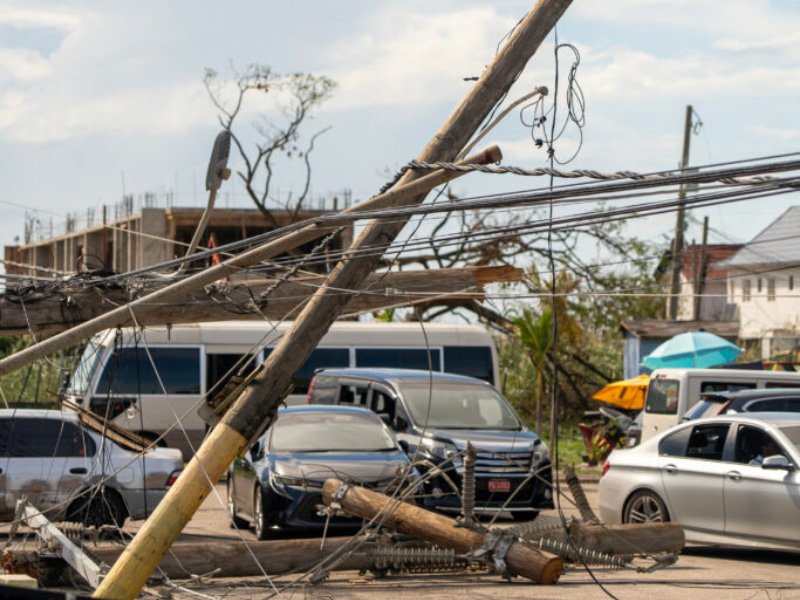
“To have quite a bit of that success wiped out in a single 24-hour period by a storm that was stronger, lasted longer, came at a time of year that is unusual and brought more rain than usual because of the actions of others, is a difficult pill to swallow.”
— Minister Matthew Samuda
The kicker? Scientists determined climate change made Melissa 30% stronger than it would have been without global warming, and six times more likely to hit when it did.
So Jamaica, which contributes virtually nothing to global greenhouse gas emissions, is now asking wealthy nations, the ones actually causing climate change, for grants and concessional financing. Not commercial loans. Not more debt. Climate justice. Because here’s what $9.5 billion means in real life.
[AFFILIATE AD SPACE 1: Emergency preparedness / Disaster relief donations / Crowdfunding platforms]

When the Lights Won’t Come Back On (But Your Bill Will)
If you’re in Jamaica right now, here’s your situation:
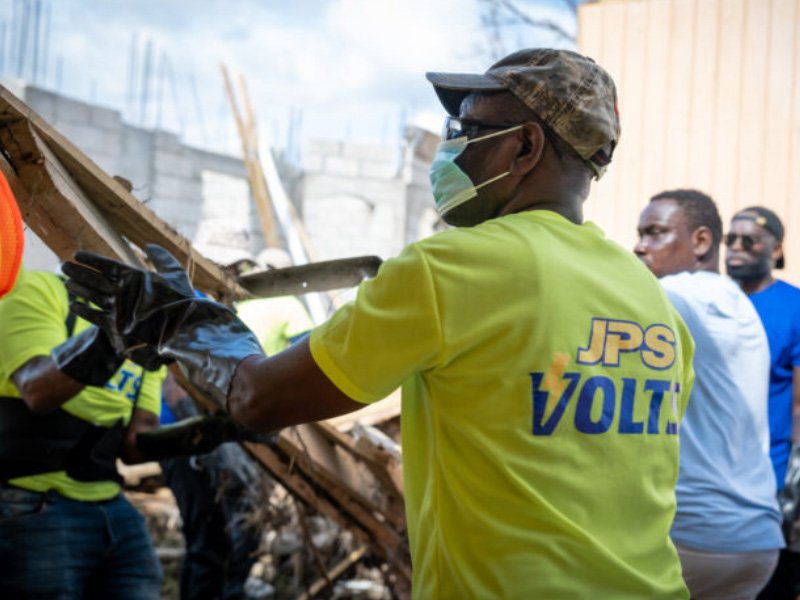
70% of customers have power restored. According to Jamaica Public Service (JPS), that sounds promising. Until you realize 30% still don’t, three weeks after landfall.
If you live in St. Thomas, Kingston, St. Andrew, or St. Catherine, you’re probably fine. JPS reports 95% restoration in those areas.
If you live in rural St. James, Westmoreland, St. Elizabeth, the parishes that took Melissa’s direct hit, you might still be sitting in total darkness. Member of Parliament Nekeisha Burchell called out JPS’s “79% restored” claim for St. James as misleading:
“The rural constituencies are still in 100 per cent darkness.”
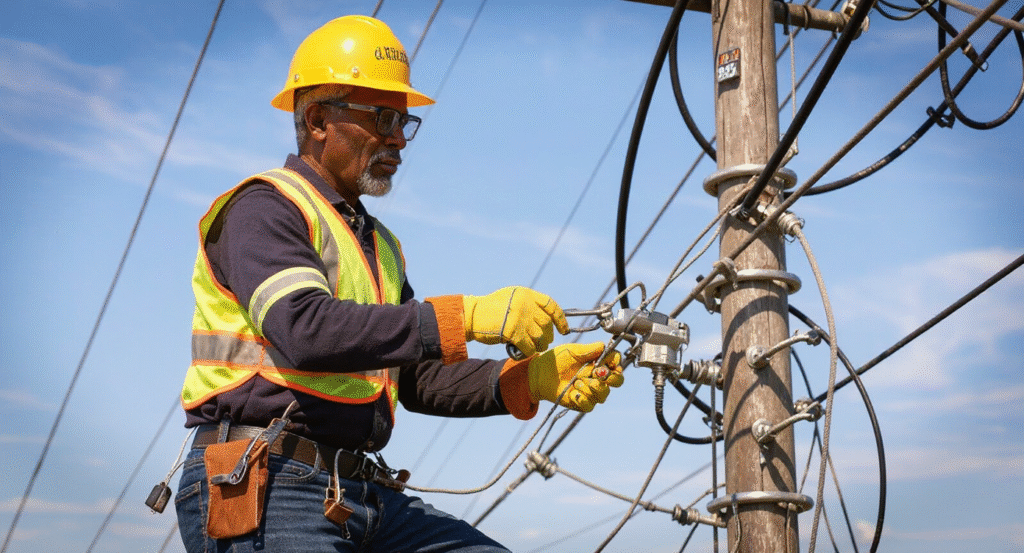
And then your electricity bill arrives. For power you used before the hurricane hit.
To JPS’s credit, they launched a Customer Relief Programme:
- ✅ No disconnections until December 15
- ✅ No late payment fees
- ✅ Flexible payment arrangements available
- ✅ Support for 3,000+ families in hardest-hit parishes
According to JPS Corporate Communications Director Winsome Callum:
“Many Jamaicans are still picking up the pieces, repairing homes, supporting families and dealing with unexpected expenses. This pause on disconnections and late fees is one way of giving our customers room to breathe.”
But here’s the problem: December 15 is 26 days away. After that? The meter starts running again. And if you’re one of the families in rural parishes who still don’t have power three weeks later, you’re expected to pay for electricity you’re not receiving while also paying to repair your hurricane destroyed home.
The Office of Utilities Regulation (OUR) has urged JPS to “ensure the observation of good practice” in billing, specifically citing problems that emerged after Hurricane Beryl in 2024. Translation: don’t shock people with massive bills when they’re still traumatized.
Permanent Secretary Carol Palmer admitted to Parliament that the government is “still battling JPS for clear information and timelines.”
“It is not enough to say you’ve done 20 per cent, 40 per cent, 60 per cent when people don’t have light… So we are in a constant confrontation, if you will, with JPS about giving us some proper information and timelines so that the citizens can organise themselves. So the fight continues as far as JPS is concerned.”
This is what $9.5 billion short looks like on the ground. It’s not just about rebuilding buildings. It’s about basic services that people need to survive while they rebuild.
7 Miles From Venezuela: When Your Own Military Learns About Drills From The News
Now let’s talk about Trinidad and Tobago.
On Friday, November 15, the Ministry of Foreign Affairs announced that the US Marine Corps’ 22nd Marine Expeditionary Unit would be conducting military exercises with Trinidad’s Defence Force from November 16-21.
Urban and rural training. Nighttime operations. Helicopter insertions. The whole special forces package.
Here’s the problem: Multiple senior officers in Trinidad’s military told Guardian Media they had no idea this was happening until they heard Foreign Minister Sean Sobers announce it on TV.
A military source, speaking anonymously, explained the issue:
“This is normally coordinated through the Defence Forces headquarters. Specific information must be provided to authorized officers beforehand to avoid leaks. We don’t want a soldier flagged for gang affiliation or other problems to participate in this type of training.”
Defense Minister Wayne Sturge? No comment.
Chief of Defense Staff Capt. Don Polo? No response.
When your own military is finding out about joint exercises from press conferences, that’s not coordination. That’s something else.
What Trinidad Says It’s About
According to Foreign Minister Sobers, the exercises are about combating Trinidad’s crime problem:
- 🔴 600 murders annually (compared to other Caribbean nations with 40 for the whole year)
- 🔴 High-powered weapons from drug trafficking
- 🔴 Gang violence that’s reached crisis levels
The training, he says, will help Trinidad’s Defence Force become “optimally trained and equipped to address these issues in our domestic environment.”
Prime Minister Kamla Persad-Bissessar welcomed the Marines with enthusiasm:
“To win the fight against organised crime, we must strengthen and modernise our crime-fighting capability. These joint exercises with the United States are a critical step in enhancing the TTDF’s readiness, intelligence capability, and operational strength.”
She posted a diagram showing 13 different military engagements between the US and Trinidad between April 2024 and October 2025.
[AFFILIATE AD SPACE 3: Home security systems / Personal safety equipment / Emergency communications]
What Venezuela Says It’s About
Seven miles across the water, Venezuelan President Nicolás Maduro called the exercises “irresponsible” and accused the US of pursuing a “criminal war.”
“The people of Trinidad and Tobago will see if they continue allowing their waters and land to be used to gravely threaten the peace of the Caribbean.”
Venezuela has already:
- ❌ Suspended gas deals with Trinidad (causing fuel shortages on the island)
- ❌ Declared PM Persad-Bissessar persona non grata
- ❌ Mobilized 200,000 troops in response to USS Gerald R. Ford’s arrival
- ❌ Launched counter-exercises across the Caribbean
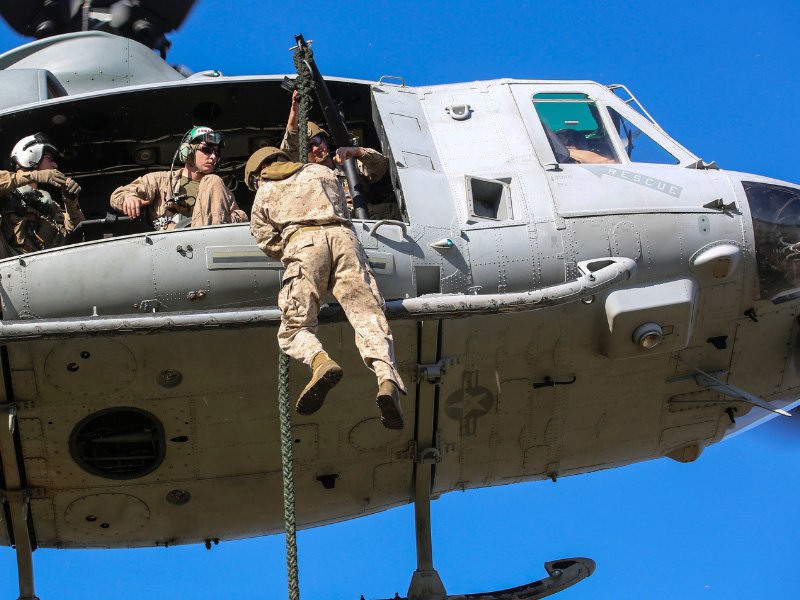
And it gets more complicated. The exercises include fast-rope insertion drills—a military tactic where personnel descend from hovering helicopters into high-risk environments where landing is too dangerous. This isn’t community policing training. This is offensive combat capability.
What The Rest Of The Caribbean Thinks
CNN reports that Trinidad and Guyana are the only Caribbean nations openly supporting the US military buildup.
Everyone else? Radio silence or outright opposition.
The US Embassy in Trinidad insists the exercises are “longstanding, routine and pre-planned” and coordinated with Trinidad’s government “to ensure community safety and uphold cultural respect.”
But if they’re so routine, why didn’t Trinidad’s own military know about them?
The Pattern Nobody Wants To Name: When Disasters Become Opportunities
Let’s connect some dots.
October 28: Hurricane Melissa devastates Jamaica
November 10: Relief plane carrying Alexander and Serena Wurm crashes
November 16: USS Gerald R. Ford enters Caribbean waters
November 16: US Marines land in Trinidad for “exercises”
November 17: Venezuela mobilizes 200,000 troops
November 18: JPS announces 70% power restored in Jamaica
November 19: Jamaica reveals $9.5 billion recovery gap at COP30
November 20: Bodies from US boat strikes continue washing up on shores
See the pattern?
While Jamaica is begging for reconstruction funds, the US is deploying its largest military assets to the region. While families in Westmoreland Parish sit without power, Marines are conducting nighttime combat drills 500 miles away. While humanitarian workers are flying relief supplies, warships are practicing interdiction operations.
This isn’t a conspiracy theory. This is logistics.
When you have the world’s largest aircraft carrier, 12,000 sailors and Marines, fighter jets, bombers, and destroyers all operating in the same region where the worst climate disaster in Caribbean history just occurred, you’re not “helping with relief.” You’re repositioning for something else.
The Numbers Don’t Lie
The US has conducted at least 21 boat strikes in Caribbean and Pacific waters since September, killing 80+ people who were allegedly drug traffickers.
No trials. No evidence presented publicly. No due process.
Bodies washing up on Trinidad’s shores are missing limbs and showing burn marks from explosions.
Meanwhile, Jamaica’s plea for climate justice funding? Still pending.
What “Resilience” Actually Costs (And Who Pays For It)
Here’s what Jamaica built over thirty years to handle climate disasters:
- Catastrophe bonds through the World Bank
- Disaster contingency funds for rapid response
- International partnerships for technical support
- Fiscal discipline moving toward investment-grade credit
- Comprehensive planning for hurricane scenarios
Total available when Melissa hit: $500 million
Percentage of actual costs covered: 5%
Let that sink in. Jamaica did everything right. They built the “resilience” framework that development organizations champion. They planned, saved, partnered, and prepared.
And it covered five cents on the dollar.
Minister Samuda describes the storm’s impact as “seismic”, and he’s being literal. The economic damage is worse than COVID-19, which cost Jamaica 10% of its GDP. But COVID didn’t wash away bridges, destroy water supplies, or make entire towns unreachable except by helicopter.
The Climate Justice Argument
Jamaica’s position is straightforward:
- 🌍 They didn’t cause climate change (negligible greenhouse gas emissions)
- 💰 They can’t afford to keep rebuilding from increasingly severe disasters
- 📈 Climate change is making hurricanes stronger (Melissa was 30% more powerful because of it)
- ⚖️ Wealthy nations should provide grants, not loans (climate justice, not charity)
The UN estimates developing countries will need at least $310 billion per year by 2035 just for climate adaptation, preparing for disasters, not even recovering from them.
Jamaica’s $9.5 billion gap represents three weeks of damage from one storm on one island.
Do the math on what the entire Caribbean will need over the next decade.
The Real Crisis: Choosing Between Recovery and Readiness
Here’s the impossible position the Caribbean is in:
Option A: Focus all resources on Hurricane Melissa recovery
- Rebuild 192,000 damaged buildings in Jamaica
- Restore full power to rural parishes
- Repair water systems, roads, bridges
- Support displaced families
- Revive tourism and agriculture sectors
Option B: Prepare for escalating geopolitical tensions
- Monitor US military buildup
- Manage Venezuela relations
- Navigate diplomatic crises
- Handle refugee flows if conflict erupts
- Plan evacuation procedures for nationals in potential conflict zones
The Caribbean’s choice: We’re being told to do both. With 5% of the funding needed for just Option A.
The Human Cost in Numbers
Let’s put faces to the statistics:
Jamaica:
- 45 dead from Hurricane Melissa
- 15 still missing
- 30,000 households displaced
- 192,000 buildings damaged
- 2,500 people in temporary shelters (3 weeks later)
Trinidad:
- Bodies from US boat strikes washing ashore
- Gas shortages from Venezuela’s suspended energy deals
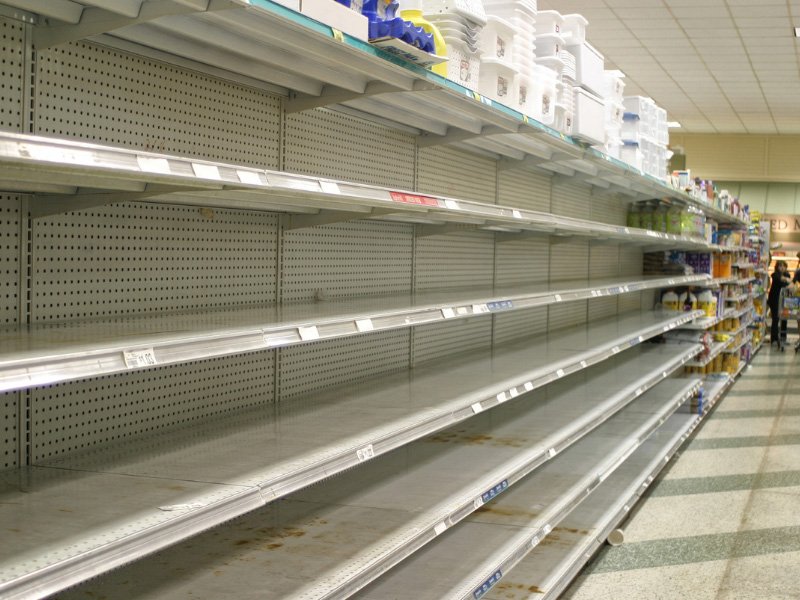
- Supermarket panic buying during military alerts
- 50,000 Venezuelan migrants facing deportation
- Families selling possessions to flee before conflict
Regional:
- 123+ deaths in three weeks (hurricane + boat strikes + relief workers)
- Thousands more displaced or traumatized
- Entire communities still without basic services
- Agricultural sectors crippled across multiple islands
And through all of this, the dominant story in international media? The aircraft carrier. The military drills. The Venezuela tensions.
Not the $9.5 billion Jamaica needs to rebuild. Not the families still sitting in darkness. Not the humanitarian workers who died trying to help.
The warships.
When Caribbean Voices Get Drowned Out By Jet Engines
Let’s be crystal clear about something: This is not what the Caribbean asked for.
Nobody in Jamaica requested aircraft carriers while requesting reconstruction funds.
Nobody in Trinidad’s military requested surprise joint exercises announced on TV.
Nobody in the diaspora requested bodies washing up on beaches without trials or evidence.
But here’s what we ARE asking for:
1. Climate Justice Funding
Jamaica’s request at COP30 is reasonable:
- Grants and concessional financing (not commercial loans)
- Recognition that small island nations didn’t cause climate change
- Support that doesn’t deepen debt burden
- Acknowledgment that “resilience” planning has limits
2. Transparent Regional Security
If the US is conducting military operations in Caribbean waters:
- Present evidence for boat strikes publicly
- Coordinate with ALL relevant governments (including military leadership)
- Respect international law and due process
- Don’t use disaster response as cover for military positioning
3. Recovery Resources That Match Reality
$500 million doesn’t rebuild what $10 billion destroyed:
- Sustained infrastructure investment
- Long-term power grid rebuilding (not just temporary fixes)
- Support for displaced families beyond December 15
- Agricultural recovery programs
4. Diplomatic Space To Navigate Complex Relationships
Caribbean nations have relationships with multiple global powers:
- We can’t afford to be forced into choosing sides
- Energy deals with Venezuela matter when you’re 7 miles away
- Regional stability benefits everyone
- Small nations deserve diplomatic sovereignty
What Happens Next: Three Scenarios
Scenario 1: Best Case
- COP30 delivers significant climate justice funding for Jamaica
- US military operations de-escalate after “demonstrating presence”
- Trinidad-Venezuela tensions cool through diplomatic channels
- Power restoration completes in Jamaica by year-end
- Regional focus returns to hurricane recovery
Probability: 20%
Scenario 2: Most Likely
- Jamaica receives partial funding, must take on additional debt
- Military presence becomes “new normal” with periodic exercises
- Trinidad-Venezuela relations remain tense but stable
- Rural Jamaica parishes stay partially without power through 2026
- Next hurricane season arrives before full recovery
Probability: 60%
Scenario 3: Worst Case
- Minimal climate funding forces Jamaica into crippling debt
- US-Venezuela tensions escalate to military conflict
- Trinidad becomes staging ground for operations
- Regional infrastructure collapse from sustained instability
- Mass migration crisis as people flee potential conflict zones
Probability: 20%
The scary part? We’re currently tracking toward Scenario 2 with elements of Scenario 3.
The Questions Nobody’s Asking (But Everybody Should)
Q: Why did the USS Gerald R. Ford enter Caribbean waters now? A: Officially: counter-narcotics operations. Unofficially: pressure on Venezuela. Realistically: both, plus positioning for potential operations that the Trump administration hasn’t publicly detailed yet.
Q: Can Trinidad actually stay neutral between the US and Venezuela? A: They already can’t. Energy deals with Venezuela are suspended. US military is conducting drills on their soil. PM Persad-Bissessar is persona non grata in Caracas. “Neutral” ship has sailed.
Q: Will Jamaica get the $9.5 billion it needs? A: Not from a single source. They’ll likely receive partial grants, some concessional loans, and be forced to take on commercial debt they explicitly said they don’t want. The gap will remain.
Q: What about the other Caribbean islands that were hit? A: Haiti (43 dead), Dominican Republic (750+ homes damaged), Cuba (90,000 homes damaged) are all facing similar reconstruction crises with even fewer resources than Jamaica. The total regional bill is approaching $20+ billion.
Q: How many hurricanes can the Caribbean survive like this? A: That’s the existential question. Climate models predict storms will get stronger and more frequent. If Melissa, Category 5, strongest on record, can wipe out 30 years of financial planning with a $9.5 billion gap, what happens when the next one hits before full recovery?
Your Move: What The Diaspora Can Actually Do
This isn’t just a Caribbean problem. This is a diaspora crisis.
If you have family in Jamaica, Trinidad, Haiti, Cuba, Dominican Republic, this is your story too. And unlike governments playing geopolitical chess, the diaspora can act immediately.
Immediate Actions (This Week)
1. Support Direct Relief Efforts Organizations still delivering aid to Jamaica:
- Crisis Response International (continuing Alexander Wurm’s mission)
- Local churches and community organizations
- Red Cross Caribbean chapters
- Direct family remittances (most efficient)
2. Amplify Caribbean Voices
- Share Jamaica’s COP30 plea for climate justice funding
- Call attention to JPS power restoration inequities
- Question military operations that lack transparent evidence
- Center Caribbean perspectives in diaspora media
3. Contact Your Representatives If you’re in the US, UK, or Canada (major diaspora populations):
- Demand your government support climate justice funding
- Question lack of transparency in Caribbean military operations
- Request oversight on boat strike evidence and due process
- Advocate for sustained reconstruction aid
4. Check On Your People
- Call family in affected areas (especially rural Jamaica)
- Ask about power restoration timelines
- Share information about JPS relief programs
- Coordinate diaspora support networks
Medium-Term Actions (Next 3 Months)
5. Monitor COP30 Outcomes
- Track whether Jamaica receives meaningful climate funding
- Document if promises turn into actual grants or just loans
- Share analysis with diaspora communities
6. Prepare for Next Hurricane Season
- Hurricane season 2026 starts June 1
- If recovery isn’t complete, next storm could be catastrophic
- Plan family evacuation options if needed
- Consider diaspora emergency funds for rapid response
7. Document Everything
- Take photos/videos of ongoing recovery (or lack thereof)
- Record testimonies from affected families
- Track power restoration progress (or delays)
- Create accountability trail for promised aid
Long-Term Actions (Next Year)
8. Build Diaspora Political Power
- Organize Caribbean diaspora voter blocs
- Create advocacy coalitions across island nations
- Demand representation in climate justice negotiations
- Push for Caribbean-led solutions, not imposed frameworks
9. Invest in Regional Resilience
- Support Caribbean-owned renewable energy projects
- Fund community level disaster preparation
- Invest in regional businesses (not just international chains)
- Build economic independence from extractive relationships
10. Prepare for Climate Migration
- Some islands may become partially uninhabitable
- Diaspora communities may need to absorb climate refugees
- Legal frameworks for climate asylum don’t exist yet
- Caribbean leadership required to shape those policies
The Sentence Nobody Wants to Say Out Loud
Here it is:
If the Caribbean can do everything right, thirty years of planning, international partnerships, fiscal discipline, disaster preparedness and still end up $9.5 billion short after one storm, then the current climate finance system is fundamentally broken and small island nations are on their own.
That’s the truth Hurricane Melissa revealed.
Not that Jamaica was unprepared. Not that they were reckless or short-sighted. That the scale of climate change has outpaced the international community’s willingness to provide meaningful support.
And while that reality sets in, the USS Gerald R. Ford is doing donuts in the Caribbean, Marines are conducting nighttime combat drills, and Venezuela is mobilizing troops.
Because apparently, when paradise is drowning, the international response is to send warships instead of water pumps.
The Story Continues: Follow the Money, Follow the Power
This isn’t the end of Hurricane Melissa’s story. It’s barely the beginning of the aftermath.
In the coming weeks and months, watch for:
- COP30 outcomes (do wealthy nations step up or step back?)
- Jamaica’s debt situation (forced into commercial loans?)
- Trinidad-Venezuela escalation (cooler heads prevail or military buildup continues?)
- Rural Jamaica power restoration (actually completed or forgotten?)
- 2026 hurricane season (hitting before full recovery?)
The Caribbean deserves better than this. Better than being forced to choose between reconstruction and readiness. Better than 5% funding for 100% of damages. Better than surprise military exercises and bodies without trials.
We deserve partners, not pawns.
But until the international community recognizes that, the diaspora needs to be the bridge. Between the Caribbean that’s rebuilding and the global powers that need to be held accountable.
This is our watch. Our move. Our moment.
Stay Connected: This Story Demands Follow-Up
At NuVision Media, we’re not dropping this story when the next news cycle begins. We’re tracking:
✅ Jamaica’s reconstruction progress (or lack thereof)
✅ Power restoration timelines and JPS accountability
✅ Trinidad’s navigation of US-Venezuela tensions
✅ Climate justice funding outcomes from COP30
✅ Military operations and their impact on Caribbean sovereignty
Subscribe to the NuVision Weekly Brief for credible Caribbean news that follows up on the stories that matter, not just the ones that are trending.
Because when the international media moves on to the next crisis, the Caribbean will still be rebuilding. And you deserve to know how that’s actually going.
No doomscrolling. No clickbait. Just the truth about what happens after the warships leave and the cameras stop rolling.
Sign up now, Your weekly reality check on Caribbean news that actually matters.
Sources & Verified Information
This article was comprehensively sourced from verified international news organizations and official statements:
Primary Sources:
- Rappler: Jamaica $9.5B Finance Gap
- World Bank: Hurricane Melissa Damage Assessment
- Jamaica Gleaner: JPS Relief Programme
- Orinoco Tribune: Trinidad Army Kept in Dark
- CNN: Venezuela Denounces US Military Drills
- Task & Purpose: Marines Begin Exercises
Additional Sources:
- Stabroek News, Trinidad Express, Jamaica Observer, RJR News, The Hill, Caribbean National Weekly, and multiple regional outlets
NuVision Media LLC delivers credible Caribbean news for the global diaspora. When mainstream media moves on, we’re still here, following up on the stories that shape our communities.