


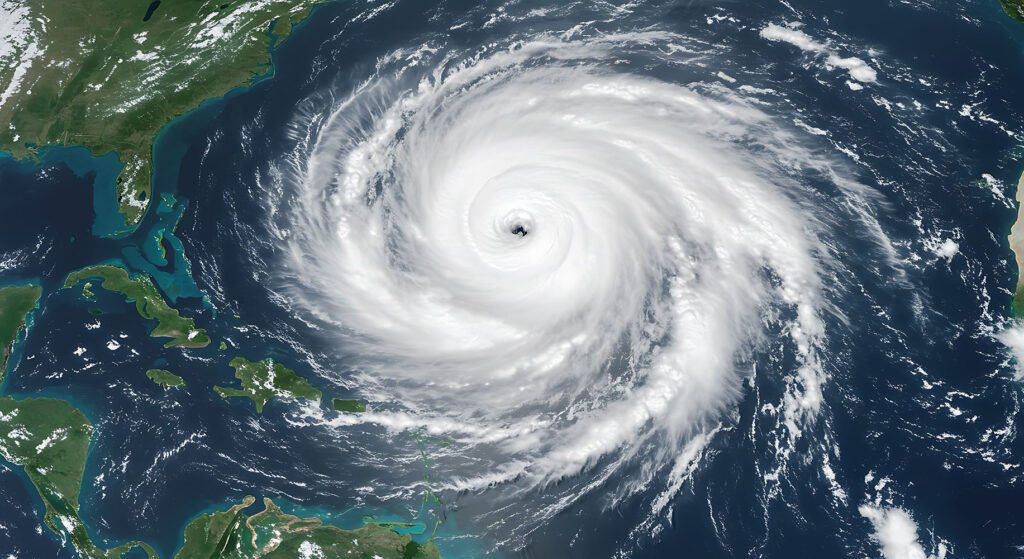
When Warships Came to Paradise: How a Category 5 Hurricane Exposed the Caribbean’s Dangerous New Reality
Caribbean News
They say when it rains, it pours. But nobody warned the Caribbean that when Category 5 Hurricane Melissa made landfall in Jamaica on October 28, 2025, the real storm would come from the warships that followed.
While rescue workers were still pulling bodies from the rubble in Kingston, the United States deployed the USS Gerald R. Ford, the world’s largest aircraft carrier, along with destroyers, fighter jets, and enough firepower to flatten a small country. The stated mission? Taking out drug boats. The real effect? Turning the Caribbean into a geopolitical battlefield that nobody asked for, and few can escape.
This is the story of three weeks that changed everything. Of a father and daughter who died trying to help. Of island nations caught between superpowers playing chess with human lives. And of a region that survived colonialism, only to find itself, once again, being treated as someone else’s backyard.
Buckle up. This one’s complicated.
The Storm That Broke Records And Lives
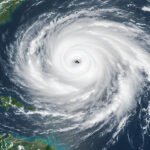
Hurricane Melissa didn’t just devastate Jamaica. It rewrote the history books.
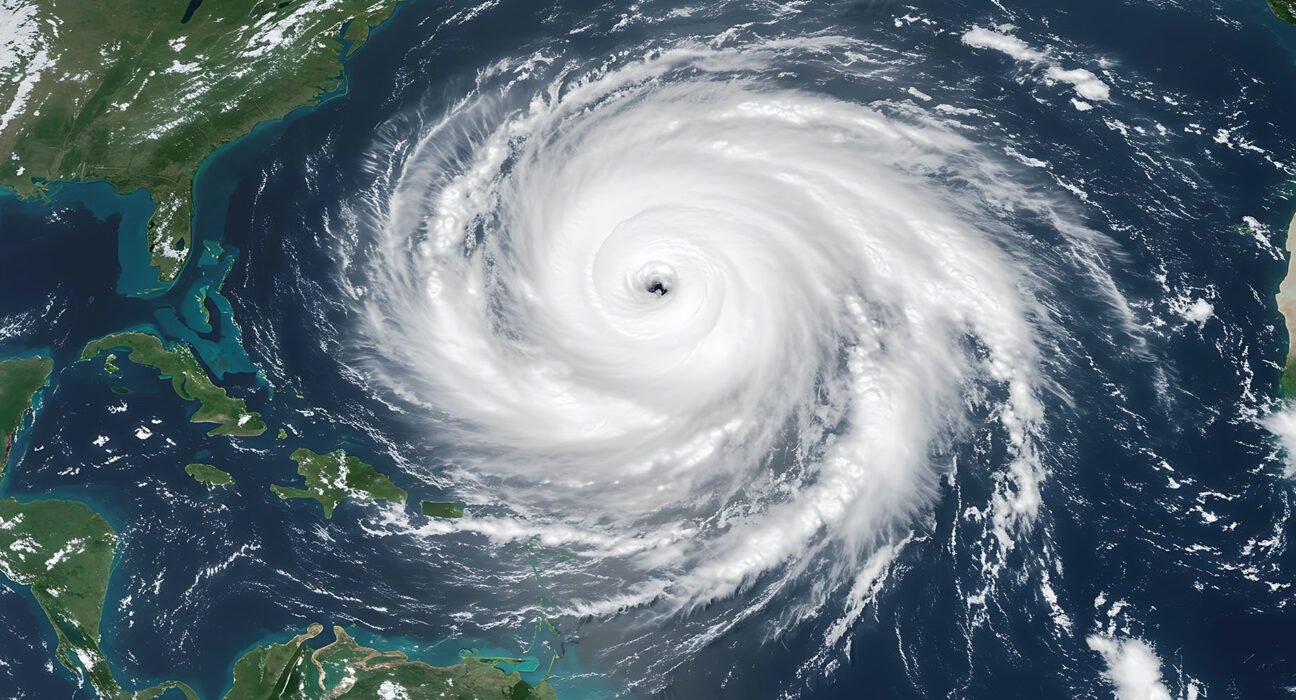
With sustained winds of 185 mph and a central pressure of 892 millibars, Melissa became the strongest hurricane to ever strike Jamaica since records began in 1851. The Category 5 monster was tied for the strongest Atlantic hurricane to ever make landfall, matching only the devastating 1935 Labor Day Hurricane.
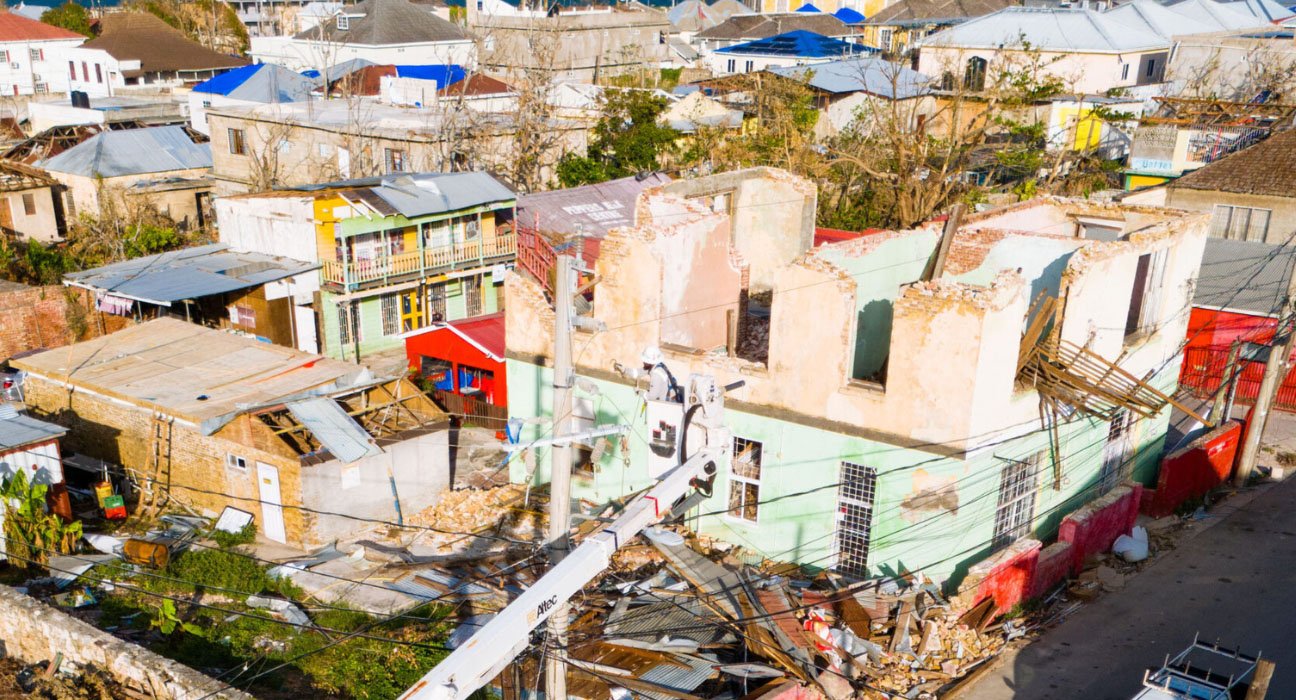
The numbers are staggering, but they don’t capture the human cost. According to the Associated Press, at least 45 people died in Jamaica alone. Fifteen more remain missing. Two entire towns, cut off from the rest of the island can only be reached by helicopter. Thirty thousand households were displaced.
NASA satellite imagery revealed that nearly two weeks after landfall, large portions of Jamaica remained without power, with smaller inland communities still in darkness as of mid-November.
In Haiti, 43 people died. In Cuba, 90,000 homes were damaged. The UN estimates it will take months to deliver basic supplies because the infrastructure simply doesn’t exist anymore.
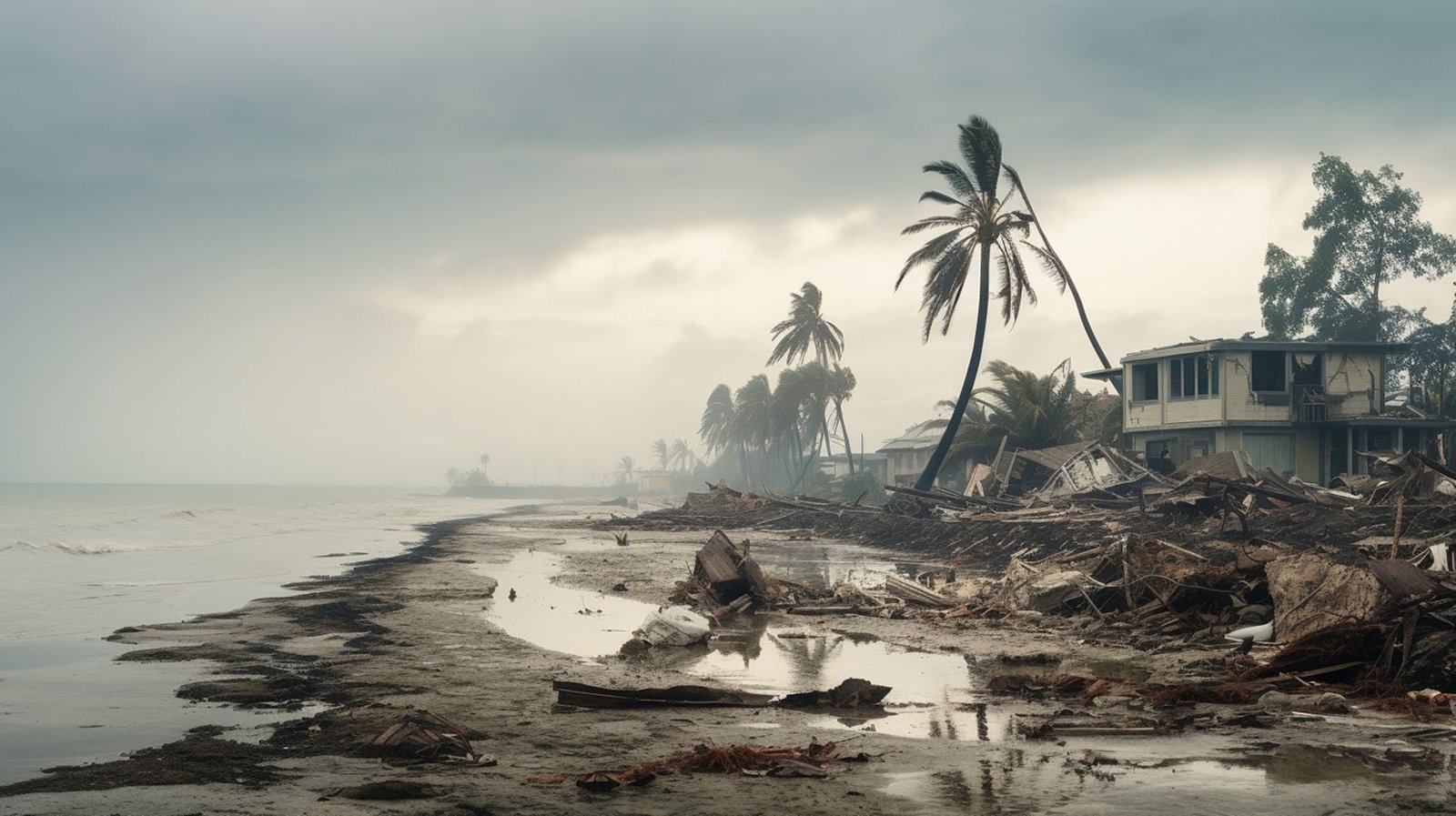
Prime Minister Andrew Holness of Jamaica said it plainly: “There is no infrastructure in the region that can withstand a Category 5.”
But while the Caribbean was still counting bodies and clearing debris, the United States had other plans.
Enter the Warships: “Anti-Narcotics” or Something Else?
On November 16, 2025, the USS Gerald R. Ford Carrier Strike Group entered the Caribbean Sea, officially joining what the Pentagon calls “Operation Southern Spear.”
The Ford isn’t just any ship. It’s a floating city carrying more than 4,000 sailors and dozens of tactical aircraft including F-35 stealth fighters. It was joined by guided-missile destroyers USS Bainbridge, USS Mahan, and USS Winston S. Churchill, along with B-52 bombers, MQ-9 Reaper drones, and AC-130 gunships.
The official mission? Taking out drug-trafficking boats.
Since early September 2025, US forces have struck approximately 20 vessels, killing at least 76 people according to multiple reports. The strikes were carried out without trials, without evidence presented to the public, and according to the UN High Commissioner for Human Rights, Volker Türk in violation of international human rights law.
Insert image: USS Gerald R. Ford carrier strike group at sea
When Colombia’s president suggested that maybe, just maybe, some of those “drug traffickers” might actually be innocent fishermen, President Trump hit him with personal sanctions and called him a cartel member. The message was clear: don’t ask questions.
Intelligence confirmed that the vessel was involved in illicit narcotics smuggling, transiting along a known narco-trafficking route, and carrying narcotics.
— US Southern Command statement
The problem? No evidence has been made public. No bodies identified. No due process. Just strikes, bodies washing up on beaches, and a Caribbean population left wondering: what happened to the rule of law?
Trinidad’s Gamble: When Your Neighbor Has Missiles
If you look at a map of the Caribbean, Trinidad and Tobago sits just 7 miles, 11 kilometers, from Venezuela at its closest point. That’s closer than most people’s morning commute.
So when Trinidad’s Prime Minister Kamla Persad-Bissessar went all-in supporting US military operations, offering her country as a staging ground for potential strikes against Venezuela, the consequences were swift and terrifying.
Persad-Bissessar didn’t mince words. According to the Amsterdam News, she told the US to “kill them all violently”, referring to drug traffickers and welcomed American warships with open arms.
Insert image: Map showing Trinidad’s proximity to Venezuela – 7 miles
Venezuela’s response was equally blunt. Foreign Minister Yván Gil issued a statement saying Trinidad “would suffer the most tragic consequences” of any intervention. Then Russia casually mentioned it was “ready to fully act” under its strategic partnership with Venezuela, including potentially sending Oreshnik ballistic missiles the same experimental weapons used in Ukraine.
Let that sink in. The same missiles currently being used in an active war zone in Eastern Europe were being discussed for deployment just miles from Trinidad’s coast.
“The people of Trinidad and Tobago will see if they continue allowing their waters and land to be used to gravely threaten the peace of the Caribbean.”
— Venezuelan President Nicolás Maduro
On Friday, November 8, Trinidad’s military went on full alert. Supermarkets were mobbed. Parents pulled kids from school early. People panic-bought supplies like it was March 2020 all over again. The prime minister had to go on television to tell people to calm down.
But the fear? That was rational. When you’re seven miles from a country that just threatened you, with warships circling and Russia talking about missiles, “panic” isn’t overreacting, it’s appropriate.
Insert image: Empty supermarket shelves in Trinidad
The Human Cost: When Helping Becomes Deadly
While politicians played war games and superpowers flexed muscles, real people were trying to actually help.
Alexander Wurm, 53, founded Ignite the Fire, a Christian ministry focused on humanitarian work across the Caribbean. When Hurricane Melissa devastated Jamaica, he didn’t wait for governments to figure things out. He bought a plane.
Not a fancy one. A 1976 Beechcraft King Air with brand-new engines. “Perfect for the mission,” he wrote on social media, posting pictures of himself and volunteers loading boxes of medical supplies, water filters, and Starlink satellite equipment.
Insert image: Alexander and Serena Wurm loading supplies onto aircraft
His daughter Serena, 22, was following in his footsteps. Together, they made multiple relief flights to Jamaica in the week after Melissa hit, bringing supplies when commercial airlines couldn’t or wouldn’t.
On Monday, November 10, 2025, they took off from Fort Lauderdale Executive Airport at 10:14 a.m., headed for Montego Bay with another load of supplies.
Ten minutes later, their plane crashed into a pond in Coral Springs, Florida. They both died.
Alex didn’t hesitate. He sprang into action and did what he could. He really made a difference in the lives of the people on the ground by getting the resources in that he did. Today he didn’t turn up… He and his daughter did not survive. We are in absolute shock.
— Sean Malone, Crisis Response International founder
The ministry called it “selflessness and courage.” Crisis Response International said Alexander “saved lives and gave his life.”
Insert image: Ignite the Fire ministry logo / memorial tribute
The tragedy is this: While warships circle and politicians threaten each other, the people actually helping the ones flying in with water filters and hope those are the ones paying the ultimate price.
Alexander and Serena join the 45 dead in Jamaica, the 43 in Haiti, the 76 from boat strikes. That’s 166 confirmed deaths in three weeks. 166 families. 166 futures erased.
And for what?
The Exodus: When Politics Destroys Families
Venezuela wasn’t going to just threaten Trinidad. It took action.
According to the Amsterdam News, Trinidad started deporting Venezuelans. Work permits were slashed by 82 percent from 4,275 to less than 800. Thousands of Venezuelan families who had lived and worked legally in Trinidad for years suddenly found themselves persona non grata.
Many had legitimate jobs. They paid taxes. Their kids attended local schools. But geopolitics doesn’t care about your mortgage or your daughter’s graduation.
Insert image: Venezuelan families packing belongings / selling possessions
The Guardian reported that families are now selling everything they own furniture, cars, anything with value to afford passage to Guyana, Brazil, anywhere that isn’t about to become a conflict zone.
Venezuela’s National Assembly declared Prime Minister Persad-Bissessar persona non grata, banning her from entering the country. Maduro suspended major gas deals with Trinidad. Economic warfare joined the military buildup.
An estimated 50,000 Venezuelans live in Trinidad. Most work in restaurants, construction, healthcare essential jobs that keep the economy running. Now they’re being scapegoated for decisions they had no part in making.
For too long, our citizens, from the elderly to our youth, and even innocent babies, have been slaughtered mercilessly by brazen criminals who profit from their connections to cartels and narco terrorists.
— Prime Minister Kamla Persad-Bissessar
She’s not wrong about Trinidad’s crime problem. The country averages 600 murders annually, many involving high-powered weapons. But displacing 50,000 people won’t solve that. It just creates 50,000 new tragedies.
What Nobody Wants to Say: We’re Not Players, We’re the Board
Let’s be brutally honest about something Caribbean leaders won’t say publicly.
POLITICO reported that one Caribbean diplomat told them, direct quote “The US is doing whatever the hell it wants. There’s no pretense anymore.”
A European official called it “realpolitik,” which is diplomatic speak for “not our problem.”
Insert pull quote styled section:
BREAKING: The Power Asymmetry No One Discusses
The Caribbean has:
- No armies capable of projecting power
- No nuclear deterrents
- No veto power at the UN
- No leverage over global energy markets
- Limited economic sanctions capability
What we have: “Reasoned argument” and “moral suasion”
Market value of those in 2025: Approximately nothing when aircraft carriers are involved.
The uncomfortable truth is this: The US, Russia, China, they’re all making moves, and we’re just the squares they’re stepping on. Hurricane Melissa didn’t create this situation. It just exposed what was already there.
Yale Climate Connections noted that Melissa underwent “extreme rapid intensification” made more likely by warming ocean temperatures from climate change. Three of the four Atlantic hurricanes in 2025 showed this pattern. The storms are getting stronger, and we’re getting more vulnerable.
But while scientists discuss climate adaptation and resilient infrastructure, geopolitical powers are militarizing disaster response. Aid workers like Alexander Wurm fill the gaps that governments create. And regular people Venezuelan migrants, Jamaican hurricane survivors, Trinidadian parents pulling kids from school pay the price.
Insert image: Comparison graphic – Caribbean military budgets vs. US military presence
The Missiles, The Madness, and What Comes Next
So where does this leave us?
As of November 18, 2025:
- The USS Gerald R. Ford remains in Caribbean waters
- US Marines are conducting joint exercises in Trinidad
- Venezuela has mobilized ground, air, naval, and missile units to maximum operational readiness
- Russia maintains its offer of “full action” under its strategic partnership with Venezuela
- Jamaica is still recovering from Melissa with 40% of homes without power
- An estimated 50,000 Venezuelan families in Trinidad are selling possessions and fleeing
- Alexander and Serena Wurm are buried, their relief mission unfinished
President Trump said last week that he’s “sort of made up my mind on Venezuela” but offered no details. The Washington Post reported the White House is considering options ranging from hitting Venezuelan military bases to targeting cocaine refineries and guerrilla camps.
Insert image: Military assets map showing US/Russia/Venezuela positions
What You Need to Know Right Now
For Caribbean Diaspora: If you have family in Trinidad, Jamaica, or Venezuela, now’s the time to check in. Make backup communication plans. Ensure they have emergency contacts outside the region.
For Travelers: The Foreign Office has urged UK nationals to register their presence through online portals. US State Department has similar advisories. If you’re planning Caribbean travel, reconsider timing for Trinidad and Venezuela border areas.
For Activists: Call your representatives. The UN has called these strikes violations of international law. Demand accountability, evidence, and respect for due process.
For Business Owners: Supply chain disruptions are likely. Jamaica’s infrastructure damage, Trinidad-Venezuela tensions, and potential broader conflict could impact shipping routes and regional commerce.
The Stories They’ll Remember
History will record Hurricane Melissa as one of the strongest storms ever to hit the Atlantic basin. It will note the military buildups, the diplomatic tensions, the strategic maneuvering.
But the Caribbean will remember the stories.
We’ll remember the Jamaican communities that rebuilt without waiting for permission. The Haitian farmers who lost everything but kept planting. The Cuban families who rode out their second major hurricane in as many years.
We’ll remember Alexander Wurm and his daughter Serena, who showed up when things fell apart. Who bought a plane and filled it with hope instead of waiting for someone else to care.
We’ll remember the Venezuelan families in Trinidad who worked legal jobs, paid taxes, and contributed to society, until geopolitics made them disposable.
And we’ll remember that when paradise needed help, it got warships instead.
Insert image: Community rebuilding efforts in Jamaica – people helping people
What Happens When the Caribbean Stops Being Someone’s Chess Board?
The Caribbean has survived colonialism. Slavery. Hurricanes. Decades of being proxy battlefields for superpowers who couldn’t care less about the people who actually live here.
We’ll survive this too.
But we shouldn’t have to.
There’s something fundamentally broken about a system where:
- A Category 5 hurricane kills 45 people in Jamaica, and the international response involves aircraft carriers
- 76 people die in boat strikes without trials, and it’s called “anti-narcotics operations”
- A father and daughter trying to deliver water filters are killed, while billions flow to military hardware
- Families who’ve lived somewhere for years are displaced overnight because of decisions they had no part in making
The Caribbean doesn’t need warships. We need water filters. We need reconstruction funds. We need climate adaptation infrastructure. We need the international community to treat us like partners, not pawns.
— Caribbean policy analyst (name withheld for safety)
Your Move: What Can Actually Be Done
This isn’t a story with a neat ending. Real life doesn’t work that way.
But here’s what you can do right now:
1. Support Caribbean Relief Efforts Organizations like Crisis Response International are still delivering aid to Jamaica. Alexander Wurm’s mission continues through others. Donate directly to vetted Caribbean relief organizations, not large internationals where your money gets filtered through overhead.
2. Amplify Caribbean Voices Share this article. Tag your representatives. The mainstream media has moved on from Hurricane Melissa. The geopolitics continue regardless. Caribbean perspectives need to be centered, not sidelined.
3. Demand Accountability The UN has called these boat strikes illegal. Where’s the evidence? Where’s the due process? Call your congressional representatives. Demand answers. International law isn’t optional.
4. Prepare for What’s Coming Whether it’s another hurricane season or escalating geopolitical tensions, now’s the time to ensure your family has:
- Emergency communications plans
- Documentation secured and backed up
- Networks outside potential conflict zones
- Access to accurate information sources
5. Remember the Human Cost Behind every statistic is a name. Behind every “boat strike” is a family wondering why their loved one never came home. Behind every displaced Venezuelan is a child who doesn’t understand why they have to leave their school.
123 confirmed deaths. 123 families. Three weeks.
Don’t let those numbers become just numbers.
The Reckoning That’s Coming
Climate change is making hurricanes stronger. Geopolitical tensions are making responses more militarized. Small island nations are getting squeezed from both sides.
Something’s going to break.
The question is: will it break us? Or will we finally build the Caribbean-led regional security, disaster response, and diplomatic framework that treats island nations as sovereign partners instead of strategic locations?
Because here’s what nobody in Washington or Moscow seems to understand: The Caribbean isn’t your backyard. It’s not your playground. It’s not your buffer zone or your staging ground or your “sphere of influence.”
It’s home to 44 million people who are tired of being treated as collateral damage in someone else’s power plays.
Alexander Wurm understood that. Serena Wurm understood that. The rescue workers still pulling people from rubble in Jamaica understand that. The Venezuelan families being forced to flee Trinidad understand that.
The only question is: when will the people with aircraft carriers and missile systems figure it out?
Stay Connected: This Story Isn’t Over
We’re tracking this situation daily. As tensions escalate or de-escalate, as recovery efforts continue in Jamaica, as diplomatic channels open or close, you’ll hear about it first here at NuVision Media.
Subscribe to the NuVision Weekly Brief for credible Caribbean news that treats you like the intelligent, globally-aware diaspora professional you are. No doomscrolling required. Just the facts, the context, and the Caribbean perspective that mainstream media ignores.
Because when paradise is burning and warships are circling, you deserve news sources that actually care what happens to the people who live here.
Follow us on:
- YouTube for weekly video analysis
- TikTok for breaking news updates
- Our newsletter for in-depth reporting
We’ll never sell your data, and we’ll always tell you the truth, even when it’s complicated.